Premium Butcher Services: Your Neighborhood Meat Market for Fresh Meats and Professional Service
Premium butcher services present a notable alternative to typical supermarkets. They prioritize superior service and fresh cuts, appealing to those who emphasize quality in their food preparation. These butchers source humanely raised animals from nearby farms, offering a diverse array of specialty meats. In addition, they offer tailored recommendations on preparation methods and cooking strategies. Appreciating the subtleties of these services brings up compelling questions about the effect of backing local businesses on neighborhood vitality.
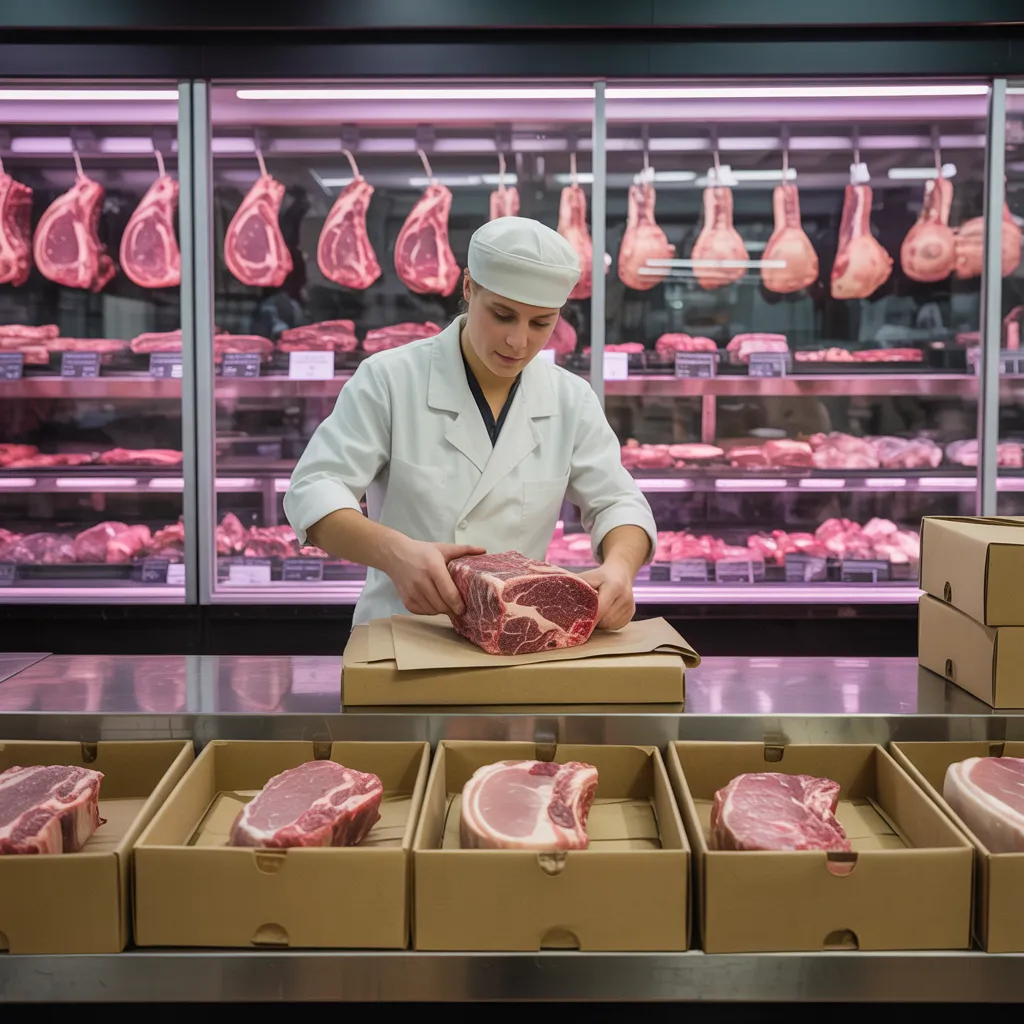
Why Go with Premium Butcher Services Rather Than Supermarkets?
Though countless buyers could locate simplicity in supermarket meat aisles, individuals pursuing excellence frequently choose premium butcher services for their exceptional products. Premium butchers emphasize acquiring top-tier, responsibly raised animals, ensuring fresher products compared to commercial retail choices. They regularly develop partnerships with local farmers, allowing them to offer exclusive cuts and gourmet meats that are rarely found in grocery stores. Furthermore, skilled butchers possess extensive knowledge about meat preparation and cooking techniques, offering helpful guidance to customers. This tailored experience enhances the overall shopping experience, building relationships of belonging and reliability. In the end, choosing a premium butcher not only supports local businesses but also provides an elevated quality of meat, drawing particular customers who value palatability and superiority.
What You Should Understand About Different Meat Cuts
Comprehending the diverse cuts of meat is crucial for anyone aiming to improve their culinary skills. Each cut provides unique flavors and textures, which can significantly affect the cooking techniques used. This section will discuss popular cuts and the best methods to prepare them for a flavorful meal.
Favorite Hair Styles Described
In terms of choosing meat, knowledge of popular cuts can significantly enhance culinary experiences. Knowing the differences between cuts like ribeye, sirloin, and tenderloin permits consumers to make informed choices based on flavor and texture preferences. Ribeye, celebrated for its marbling, provides a rich, juicy taste, while sirloin delivers a leaner option with a robust flavor, ideal for grilling. Tenderloin, the most tender cut, is perfect for special occasions but often comes at a higher price. For those who appreciate a hearty dish, chuck roast provides a flavorful, budget-friendly alternative. By acknowledging these distinctions, shoppers can choose the right cut to suit their cooking needs and elevate their meals.
Overview of Cooking Techniques
Picking the right cooking technique is just as important as choosing the right cut of meat. Each cut features unique characteristics that influence the best cooking methods. For example, tougher cuts like brisket or chuck work well with slow cooking methods such as braising or stewing, which dissolve connective tissues and intensify flavor. In contrast, tender cuts like filet mignon or ribeye are best suited for quick cooking techniques, such as grilling or pan-searing, to retain their juiciness and texture. Moreover, techniques like roasting can be ideal for larger cuts, providing even cooking. Understanding these associations between cuts and techniques guarantees optimal flavor and tenderness, making the dining experience more pleasant and fulfilling.
How Premium Butchers Source Quality Meat
Though quality meat sourcing may seem straightforward, premium butchers utilize meticulous processes to ensure they deliver the finest products to their customers. They typically establish direct relationships with local farmers and ranchers, prioritizing livestock raised in humane conditions and fed natural diets. This direct sourcing permits butchers to oversee the quality and traceability of the meat from farm to table. Additionally, premium butchers may conduct regular visits to suppliers and examine their facilities, ensuring high standards of hygiene and animal welfare are maintained. Seasonal availability and regional specialties also affect their sourcing decisions, as they aim to present the freshest cuts. Finally, the commitment to quality sourcing represents a butcher's dedication to providing superior products that customers can trust.
Personalizing Your Meat Selection: Customized Service Choices
Customized meat selection services permit customers to receive personalized recommendations that cater to their specific needs and preferences. By working with knowledgeable butchers, customers can review their culinary goals, dietary requirements, and preferred cuts. This direct interaction guarantees that selections are not only fresh but also appropriate for multiple cooking methods, from grilling to additional article slow roasting. Additionally, butchers often provide insights on flavor profiles and preparation techniques, elevating the overall cooking experience. Whether customers are searching for lean options for health-conscious meals or rich cuts for special occasions, personalized service delivers satisfaction. This attention to individual preferences creates a deeper connection between the customer and the local meat market, ultimately elevating the shopping experience.
Artisan Meats: Charcuterie and Sausages
Specialty meats, particularly artisan sausages and charcuterie, offer distinctive flavors and textures that enrich any culinary experience. Local meat markets often showcase a range of handcrafted sausages, featuring regional ingredients and traditional techniques. Moreover, these markets provide the essentials for creating an impressive charcuterie board, perfect for entertaining or enjoying a gourmet treat.
Artisan Sausages Options
Handcrafted sausages embody an expression of gastronomic artistry, displaying an extensive variety of tastes and consistencies. These distinctive meats are frequently produced using premium, locally obtained materials, providing outstanding quality and taste. From traditional varieties like bratwurst and chorizo to inventive mixtures containing herbs, spices, and unique proteins, the options are extensive. Every sausage is made with painstaking care, enabling an equilibrium of flavors that delights refined tastes. Furthermore, numerous neighborhood shops provide limited-time or seasonal varieties, embodying local gastronomic heritage and seasonal ingredients. This dedication to quality and creativity not only enhances the gastronomic journey but also fosters enhanced admiration of the tradition of sausage craftsmanship in the community.
Charcuterie Board Basics
When creating a charcuterie board, the choice of specialty meats, such as sausages and cured meats, plays a essential role in achieving a harmonious balance of flavors and textures. Numerous options like salami, prosciutto, and chorizo offer distinct tastes and aromas, elevating the overall experience. Pairing spicy and smoky sausages with milder varieties offers a delightful contrast, inviting guests to explore different profiles.
Along with flavor, texture is crucial; the chewiness of cured meats pairs well with the creaminess of accompanying cheeses. Featuring garnishes like olives, nuts, or fresh herbs enhances the presentation and taste. By strategically curating these elements, one can create an appealing charcuterie board that highlights the best of specialty meats and delights the palate.
Recommendations for Cooking and Preserving Fresh Cuts of Meat
Handling and preserving fresh cuts of meat demands meticulous care to ensure both flavor and safety. Correct preservation starts with refrigeration; meat should be stored at temperatures beneath 40°F to prevent bacterial growth. It is suggested to use tightly closed vessels or vacuum-sealed bags to preserve freshness and avoid cross-contamination. When cooking, using a meat thermometer can guarantee that cuts reach the recommended internal temperatures, guaranteeing safety and optimal flavor. Different meats require varying cooking times and techniques, so knowing the specific requirements of each type is crucial. Leftovers should be rapidly chilled and stored appropriately, ideally within two hours of cooking, to retain quality and safety. Adhering to these guidelines can elevate the overall culinary experience with fresh meat.
Community Benefits That Come From Supporting Local Butchers
Patronizing local butchers can considerably enrich a community's economic landscape and culture. By opting to buy from these artisans, residents contribute to local employment and ensure that money circulates within the community. Local butchers frequently source their meat from nearby farms, promoting sustainable practices and fostering relationships with local producers. This not only enhances food quality but also bolsters the agricultural economy. Moreover, local butchers often engage with customers, delivering personalized service and expert advice, which cultivates a sense of community. Events, such as cooking classes or meat tastings, held by these businesses further enhance local culture. All in all, supporting local butchers fosters a vibrant economy and reinforces community ties, making it a vital choice for residents.
Frequently Asked Questions
Can Premium Butchers Deliver Your Orders?
Many premium butchers offer delivery services for orders, enabling customers to conveniently receive high-quality cuts at home. This service improves accessibility and caters to the needs of those who favor shopping from a distance.
Is It Possible to Order Specialty Items Not Shown in the Shop?
Unique items not available in the shop may be secured through special orders, based on the butcher's policies. Customers are urged to contact directly for specific requests, as availability can range greatly based on vendor availability.
Do You Have Customer Loyalty Programs or Price Reductions for Returning Customers?
Indeed, there are loyalty programs and discounts offered for regular customers. These initiatives are designed to reward repeat business, encouraging customer retention and cultivating a sense of community among patrons who regularly shop at the establishment.
What Times Are Local Premium Butcher Shops Open?
Typically, local premium butcher shops function from 8 AM to 7 PM during weekdays, with decreased hours on weekends, typically opening at 9 AM and closing by 5 PM. Nevertheless, hours may vary by location.
What's the Best Way to Learn About Upcoming Meat Workshops or Events?
To find out about upcoming meat workshops or events, individuals can subscribe to local butcher shop newsletters, follow their social media pages, or visit their websites to find details about scheduled classes and special events.